
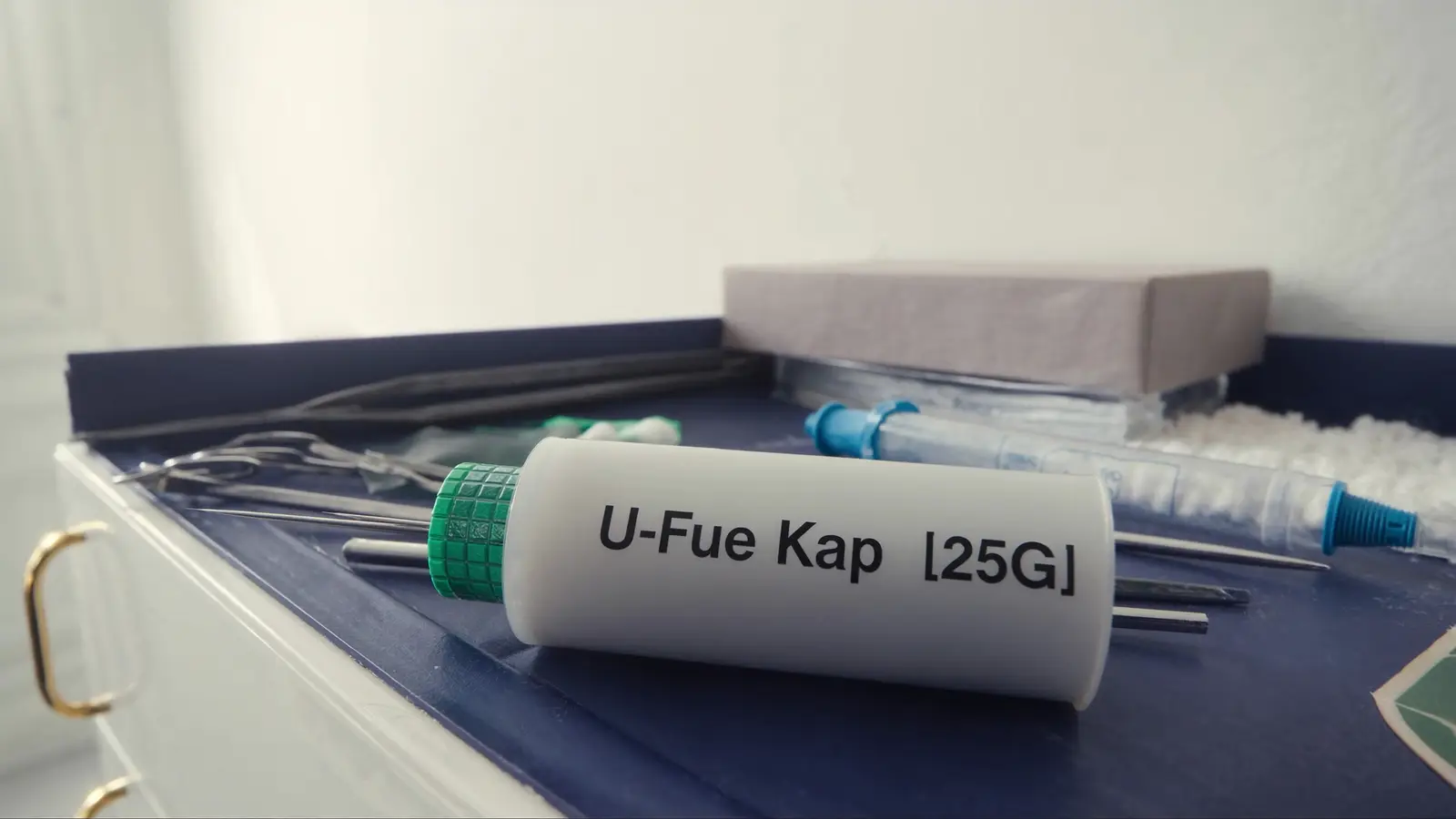
This is the question I hear most in clinic, usually within the first few minutes of a consultation. It is a fair one. You are considering a procedure that costs money, takes a day, and asks for a few months of patience, so you want to know the hair will still be there in ten or twenty years. The short answer is that transplanted hair is generally permanent, because of where we take it from. The fuller answer involves biology, technique, and the fact that the rest of your scalp keeps ageing. Let me explain what I tell my own patients.
Why is transplanted hair considered permanent?
The permanence comes down to a concept called donor dominance. Hair follicles at the back and sides of the scalp are largely resistant to dihydrotestosterone (DHT), the hormone that drives male and female pattern hair loss. When we relocate those follicles to a thinning area, they keep the genetic behaviour of their original home. In practice this means they carry on growing in their new position, largely unaffected by the pattern loss happening around them. This principle has been well documented in dermatology literature for decades. So a follicle taken from a stable donor zone should behave like a stable follicle for the rest of your life, which is why we describe the transplanted hair as permanent rather than temporary.

Does that mean I will never lose any hair again?
No, and this is the part I am careful to be honest about. A transplant redistributes hair you already have; it does not stop your original hair from thinning. If you are 30 with early loss, the untouched native hairs around the grafts may continue to recede over the years. That can create a patchy or uneven look later if we do not plan for it. Good planning accounts for future loss, sometimes by placing grafts conservatively and keeping donor reserves for a second procedure. This is exactly why a proper assessment at our London hair transplant clinic looks at your whole scalp and family history, not just today’s thin patch.
Will the transplanted hairs fall out after surgery?
Yes, and this alarms people who are not warned about it. Around two to four weeks after the procedure, the transplanted hairs typically shed. This is normal and expected, a phase called shock loss. The follicle stays alive under the skin; only the visible hair shaft is released. New growth usually begins at around three to four months. Most patients see meaningful density by six to nine months, with the final result at roughly twelve to eighteen months. So if you feel disheartened at week three, that is the hardest point psychologically, and it is temporary. The shedding is a step towards the result, not a failure of it.
What can affect how long my results last?
Several things shape the long-term picture. The skill and planning of the procedure matter, particularly how carefully the donor area is selected and how hairlines are designed for a face that will keep ageing. Ongoing pattern loss in native hair is the biggest variable, and some patients benefit from a maintenance plan to protect the hair they still have, which is something to discuss at consultation rather than self-treat. General health, smoking, and significant scalp conditions can also play a part. We use the DHI (Direct Hair Implantation) technique, which does not require shaving the whole head and allows precise control over the angle and depth of each graft. Precise placement supports natural, durable-looking results, though no ethical clinic can guarantee a specific outcome.
How much does a hair transplant cost at Liv?
We use fixed prices so you know where you stand before you commit. A hair transplant of up to 3,000 grafts is £3,500, and up to 5,000 grafts is £4,250. Our female hair transplant, performed with DHI as a more complex approach, is £5,500. The number of grafts you actually need is assessed at your consultation, so the plan is personalised rather than assumed. If you wish to spread the cost, Klarna offers 0% interest on eligible purchases up to £2,000, subject to status and eligibility; Klarna is the credit provider. The best way to get an accurate figure for your own case is to have your scalp examined in person.
Frequently asked questions
How long do hair transplant results last?
Transplanted follicles are taken from DHT-resistant donor areas, so they are generally permanent and can last a lifetime. What changes over time is your original, untransplanted hair, which may keep thinning. A thoughtful surgical plan accounts for this so your result ages gracefully rather than looking patchy later on.
When will I see the final result?
Expect the transplanted hairs to shed at two to four weeks, then regrow from around three to four months. Noticeable density usually appears by six to nine months. The mature, final result typically settles between twelve and eighteen months after your procedure, so patience during the first few months is essential.
Can a transplant fail or not take?
It is uncommon with careful technique, but graft survival can be affected by handling, health factors, smoking and aftercare. Following the post-procedure instructions closely gives your grafts the best chance. If growth seems poor at twelve months, come back so we can review it properly rather than assuming the worst.
Will I need a second procedure?
Possibly, particularly if you are young or have progressive pattern loss. Native hair around the grafts can continue thinning, which may warrant a top-up years later. We often plan conservatively and preserve donor reserves for this reason. Your consultation will set realistic expectations about whether one session is likely to be enough.
Does the DHI technique give more permanent results?
DHI does not change the biology of donor hair, which is what makes results permanent. What it offers is precise control over the angle, depth and direction of each graft, plus no need to shave the whole head. That precision supports a natural, durable appearance, but no technique can guarantee a specific outcome.
Is female hair transplant permanent too?
The same donor-dominance principle applies to women, so relocated follicles are generally permanent. Female pattern loss can be more diffuse, which makes donor selection and planning more complex, and that is reflected in our approach. A thorough assessment is important to confirm suitability, as some causes of female hair loss respond better to non-surgical management.
Book a free consultation
Want to know whether a transplant is right for you and how long your results might last? Book a free consultation with our team at 19 Harley Street via our contact page and we will assess your scalp and give you honest, personalised advice.
This article is for general information and does not replace individual medical advice. Hair loss has many causes and outcomes vary between patients. Any treatment decision, including medication or surgery, should follow a personal assessment with a qualified clinician. Do not start or stop any treatment based on this article alone.