
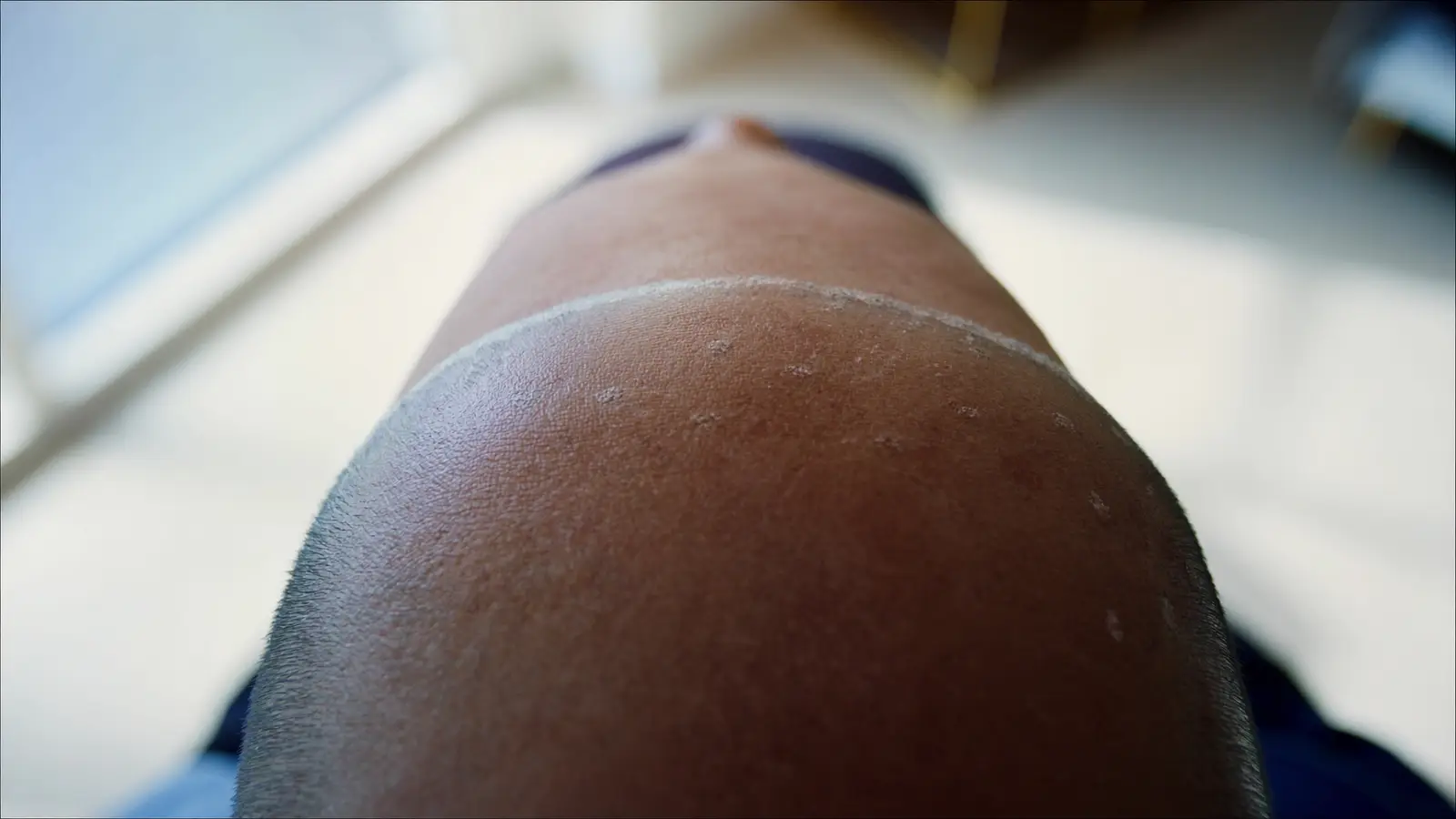
It is the question almost every patient asks me before they commit: will people be able to tell? Scalp micropigmentation (SMP) places tiny deposits of pigment into the upper layers of the scalp to imitate the look of closely shaved hair follicles. Done well, it is remarkably convincing. Done poorly, it can look flat, too dark or oddly uniform. In this article I want to be honest about both sides, and explain what actually determines whether SMP looks natural, based on what I see day to day at our clinic on Harley Street.
What is scalp micropigmentation, and how does it create a natural look?
SMP is a cosmetic tattooing technique, but it is quite different from a conventional body tattoo. We use a fine needle to deposit small dots of pigment at a controlled depth, each one designed to replicate the appearance of a single hair follicle emerging from the scalp. The realism comes from three things working together: the size and spacing of the dots, the depth of placement, and the way the colour is matched to your natural hair and skin tone. Real hair does not grow in perfectly even rows, so a skilled practitioner varies the density and angle to mimic that slight irregularity. When the pattern respects how your hair genuinely grows, and the shade sits just right against your skin, the eye reads it as short stubble rather than ink. You can read more about our approach on our scalp micropigmentation page.

What makes SMP look convincing rather than obvious?
A natural result is mostly about restraint and detail. The pigment shade should be slightly lighter than you might expect, because deposits often appear darker in the first days before they settle. The dots need to be small and layered, not large and uniform, so they scatter light the way real follicles do. The hairline is where most poor work gives itself away: a hard, ruler-straight line looks artificial, whereas a soft, slightly broken and age-appropriate hairline reads as real. Skin tone, undertone and the natural greying pattern of your hair all feed into the colour choice. Building density gradually across two or three sessions, rather than rushing everything into one visit, lets us assess how the pigment heals and adjust before adding more. That measured, patient approach is what separates believable SMP from the results people worry about.
How long does scalp micropigmentation last and does it fade naturally?
SMP is long-lasting but not strictly permanent. The pigment sits in a layer of skin that your body slowly turns over, so most people notice gradual fading over roughly three to five years, though this varies with skin type, sun exposure and individual healing. Many patients see this as an advantage: as you age, a top-up session lets us keep the density and shade appropriate rather than leaving you with pigment that no longer suits you. Sun protection makes a genuine difference to how long the colour holds its tone, since ultraviolet light breaks pigment down. When fading is even and the colour was well chosen to begin with, the change is subtle rather than patchy. I always talk patients through a realistic maintenance plan so there are no surprises later.
Who is scalp micropigmentation suitable for in London?
SMP suits a wide range of concerns. It can create the impression of a full, closely shaved head for men with extensive hair loss, add density between thinning strands for those who still have some coverage, camouflage a transplant or old surgical scar, and soften the appearance of a receding hairline. It works for men and women, and across most skin tones, though the colour strategy differs. It is not hair, and it will not restore length, so it is not the right answer for everyone. Some patients are better served by a hair transplant, and some by combining the two. If you are weighing up your options, our London hair transplant clinic team can talk you through what genuinely fits your goals rather than pushing a single treatment.
How do I make sure my SMP looks natural?
The single biggest factor is who performs it. Ask to see healed results, not just fresh photos taken on the day, because pigment looks different once it has settled. Look specifically at hairlines and at how the density blends into existing hair. A proper consultation should include a discussion of colour matching, hairline design suited to your age and face, and how many sessions you are likely to need. Be wary of anyone promising a perfect finish in a single visit, or offering a hairline that looks sharper than nature ever draws one. Aftercare matters too: keeping the area clean, avoiding heavy sweating and sun exposure in the early healing window, and following the guidance we give you all help the pigment settle evenly. Realistic expectations, set honestly at consultation, are part of a natural outcome.
Frequently asked questions
Will people be able to tell I have had scalp micropigmentation?
When it is done well, most people will not notice it as pigment. It reads as closely shaved stubble or added density rather than ink. The giveaways in poor work are hard hairlines, dots that are too large, and colour that is too dark. Careful design and shade matching are what keep it convincing.
Does scalp micropigmentation hurt?
Most patients describe it as mildly uncomfortable rather than painful, often comparing it to a light scratching sensation. Comfort varies with your pain threshold and the area treated. We can discuss numbing options at your consultation. Sessions are spread out, which also gives your scalp time to recover between visits.
How many sessions will I need?
Most people need two to three sessions, usually spaced a couple of weeks apart. Building density gradually lets us see how the pigment heals and settles before adding more, which protects the natural look. The exact number depends on the area covered, the effect you want and how your skin responds to the pigment.
Can SMP be combined with a hair transplant?
Yes, and the two often work well together. A hair transplant adds real growing hair, while SMP can boost the visual density around it or camouflage donor-area scarring. Whether combining them suits you depends on your degree of hair loss and your goals, which is something we assess properly at consultation before recommending anything.
Is scalp micropigmentation permanent?
It is long-lasting but tends to fade gradually over roughly three to five years, depending on your skin and sun exposure. Many patients see this as a benefit, since a top-up session keeps the shade and density age-appropriate. Good sun protection helps the colour hold its tone for longer between refreshes.
Does SMP work on all skin tones?
SMP can be adapted for most skin tones, but the colour strategy and technique differ. Pigment shade, dot density and depth all need tailoring to your skin and hair. This is one reason a thorough consultation matters: matching the approach to your individual colouring is central to achieving a result that looks natural.
Book a free consultation
Wondering whether scalp micropigmentation is right for you? Book a free consultation with our team on Harley Street and we will assess your scalp, discuss colour and design, and give you honest, personalised advice.
This article is for general information and does not replace personalised medical advice. Scalp micropigmentation outcomes vary between individuals, and suitability can only be assessed in person. Always consult a qualified practitioner about your specific circumstances before starting any treatment.