
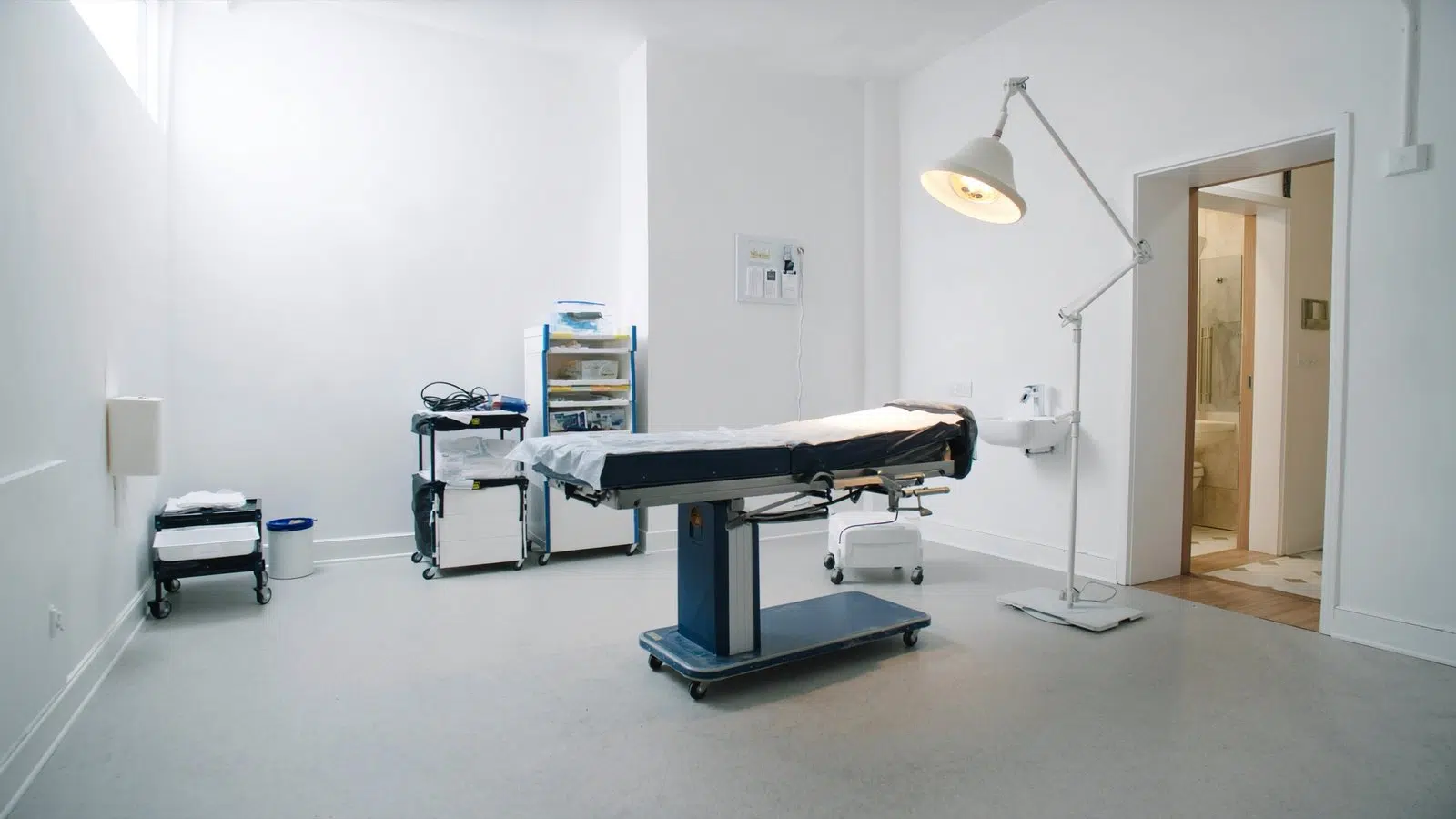
Most of the anxiety before surgery comes from not knowing how the day runs. It is long, it is not painful, and you are awake and comfortable throughout. Here is what actually happens.
Arrival and planning
You arrive in the morning, usually having eaten normally. The first part of the day is not surgery at all: it is design. Your surgeon marks the proposed hairline with you sitting up, checks it against your facial proportions and your likely future loss, and adjusts it until you are both satisfied. Photographs are taken for your records.
This stage matters more than any other. A hairline agreed in five minutes is a hairline you may regret for decades.
Preparation and anaesthetic
The donor area is trimmed, and for a shaven FUE the recipient area is trimmed too. Local anaesthetic is then given to the donor area. The injections are the least comfortable part of the day and last a couple of minutes; after that the area is numb and stays numb.
Extraction
Follicular units are removed one at a time with a fine punch. This is the longest stage, often two to three hours depending on the graft count. You can listen to something, watch a screen or doze. Grafts go straight into a chilled holding solution and are sorted under magnification.
Break, then implantation
There is a proper break for lunch. Afterwards the recipient area is anaesthetised and the grafts are placed, either into channels opened with sapphire blades or directly by implanter pen in DHI. Angle, direction and depth are set graft by graft, which is meticulous and accounts for much of the afternoon.
Finishing and going home
The scalp is cleaned, the donor area dressed, and you are given written aftercare, medication and a contact number. Expect the whole day to run six to eight hours. You will look red and slightly swollen, which settles over the following days.
You should not drive yourself home. Travelling by train or being collected is fine, and if your journey is long we suggest staying locally overnight.
What to bring
Wear a button-up shirt rather than something pulled over the head. Bring a loose hat or hood for the journey home, headphones, and anything you want to eat. Avoid alcohol for a day or two beforehand, and tell us in advance about any blood-thinning medication.
Frequently asked questions
Does it hurt?
The anaesthetic injections sting briefly. After that you should feel pressure and movement but not pain. Tell the team if you do; more anaesthetic can be given.
Can I eat during the day?
Yes. There is a proper break, and you can have drinks and snacks between stages.
Can someone come with me?
Yes, they are welcome to wait in the clinic, though the day is long so many people prefer to be collected afterwards.
When can I go back to work?
Most people return to desk-based work in three to five days, once the initial redness settles.
Book a free consultation at our Harley Street clinic and we will walk you through your own day in detail.