Patients often walk into my Harley Street clinic asking for something that makes their skin look healthier without changing the shape of their face. That is exactly the gap skin boosters fill. They are injectable treatments that deliver hydrating ingredients, most commonly stabilised hyaluronic acid, into the skin to improve texture, glow and elasticity. Unlike dermal fillers, they are not designed to add volume or contour. In this article I want to explain, in plain terms, what skin boosters do, who they suit, and what results to reasonably expect.
What exactly are skin boosters?
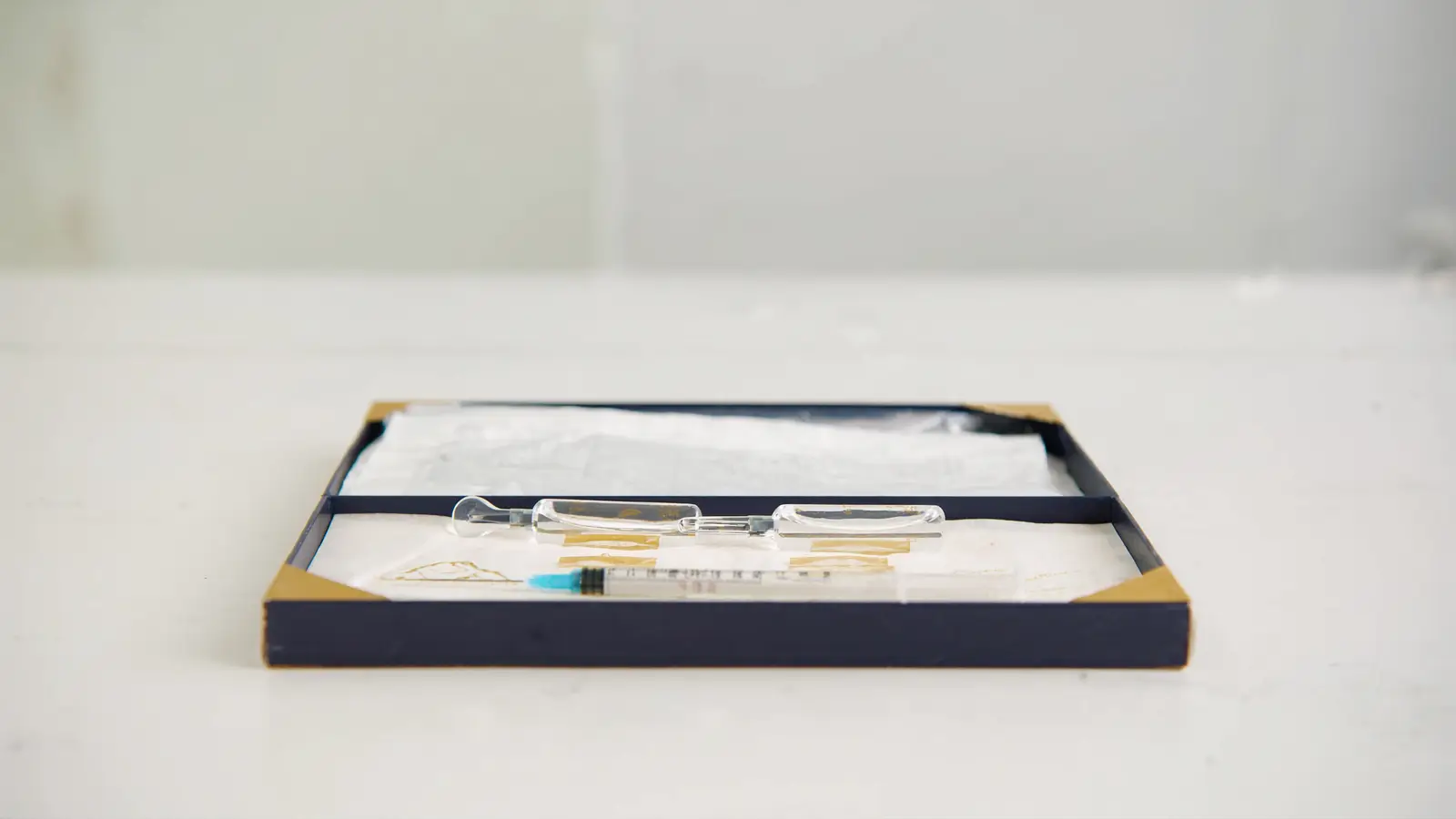
Skin boosters are micro-injections of hydrating compounds placed just beneath the skin surface across an area such as the cheeks, under-eyes, neck, décolletage or hands. Most use a soft, minimally cross-linked form of hyaluronic acid, a sugar molecule your body produces naturally that binds water and keeps tissue plump and supple. Because the gel is very fluid compared with a structural filler, it disperses through the skin rather than sitting as a defined lump. Some formulations also contain added antioxidants, amino acids or vitamins intended to support skin quality. The aim is not to reshape the face but to hydrate from within and encourage the skin to behave more like it did when it was younger.

What do skin boosters actually treat?
I use skin boosters mainly for skin that looks dull, dehydrated, crêpey or fatigued. They can soften the look of fine surface lines, improve a rough or uneven texture, and add a subtle luminosity that makeup alone cannot replicate. Common request areas are the lower face, the neck, the chest and the back of the hands, all places that show age and sun exposure early. They are also a sensible option for younger patients who simply want better skin quality rather than any change to their features. What they do not do is lift sagging skin, fill deep folds or replace lost volume. If those are your concerns, a different treatment is more appropriate, and we would discuss that at consultation. You can see how boosters sit within our wider skin rejuvenation treatments.
How are skin boosters different from dermal fillers?
This is the question I answer most often. Both use hyaluronic acid, so the confusion is understandable. The difference is in how the product is made and where it goes. Dermal fillers are firmer, cross-linked gels placed in deeper planes to create structure, restore volume or define a feature such as the lips or cheeks. Skin boosters are thinner and spread through the skin to hydrate and improve quality across an area. A filler changes shape; a booster changes the condition of the skin itself. Many of my patients eventually use both for different reasons, but they are not interchangeable and should never be sold as the same thing.
What happens during treatment and recovery?
A session usually takes around 30 to 45 minutes. I cleanse the area, apply a topical numbing cream, then place a series of small injections across the treatment zone using a fine needle or a cannula. Most people describe it as a series of quick pinches rather than genuine pain. Afterwards you can expect small raised bumps where the product sits, and these normally settle within a few hours to a day or two. Mild redness, swelling or the occasional bruise is common and typically fades within 24 to 72 hours. I usually recommend a short course, often two or three sessions spaced two to four weeks apart, then a maintenance treatment every few months. Results build gradually rather than appearing instantly, which is part of why they look natural.
Who is a suitable candidate, and who is not?
Skin boosters suit healthy adults with dehydrated, dull or early-ageing skin who want a refreshed appearance without altering their features. They also help skin that has been affected by sun exposure or lifestyle factors such as smoking. I do not treat anyone who is pregnant or breastfeeding, and I take extra care with active skin infections, certain autoimmune conditions, a history of keloid scarring or known allergy to hyaluronic acid products. This is why an in-person assessment matters. During a consultation I examine your skin, review your medical history and set honest expectations about what boosters can and cannot achieve for you specifically.
How much do skin boosters cost in London and can I spread the cost?
Pricing depends on the product used, the area treated and how many sessions your skin needs, so I prefer to quote after assessing you rather than giving a figure that may not apply. For eligible purchases you can spread the cost with Klarna at 0% interest up to £2,000, subject to status and eligibility, with Klarna acting as the credit provider. This is offered at checkout on eligible products. The most reliable way to get an accurate plan and price is a face-to-face consultation, where we can talk through your goals and whether boosters are the right route at all.
Frequently asked questions
Are skin boosters painful?
Most patients find them very tolerable. I apply a topical numbing cream before starting, and the injections feel like brief pinches rather than sharp pain. Any discomfort is short-lived. Sensitive areas such as the under-eyes or neck can feel slightly more tender, but the sessions are quick and well tolerated by the majority of people.
How long do skin booster results last?
Results typically last somewhere between four and nine months, depending on the product, the area treated and your individual skin and lifestyle. The effect builds gradually over a course of sessions rather than appearing overnight. Maintenance treatments every few months help preserve the hydration and glow, and I will suggest a realistic schedule at your consultation.
Can I have skin boosters alongside other treatments?
Often yes. Skin boosters combine well with many skin-quality treatments, and some patients pair them with dermal fillers used for volume in separate areas. The right combination depends on your goals and skin condition. I plan any combined approach carefully and stagger treatments where needed so your skin has time to settle between sessions.
When will I see results after skin boosters?
You may notice improved hydration within a week or two, but the fuller benefit develops over the course of your sessions as the skin responds. Because the change is gradual, results tend to look natural rather than sudden. Patience matters here; boosters reward a planned course more than a single one-off appointment.
Are skin boosters safe?
Hyaluronic acid used in skin boosters has a long track record and a good safety profile when administered by a qualified practitioner. Common side effects are minor: small bumps, redness, swelling or occasional bruising that settle within days. Serious complications are rare. A proper medical assessment beforehand reduces risk, which is why I insist on an in-person consultation first.
Book a free consultation
Thinking about skin boosters in London? Book a free consultation with our team at 19 Harley Street via our contact page, and we will assess your skin and set out an honest, personalised plan.
This article is for general information and does not replace personalised medical advice. Skin boosters are a medical procedure with individual risks and benefits, and suitability varies from person to person. Always seek an in-person assessment from a qualified practitioner before deciding on treatment. Do not rely on this content to diagnose or treat any condition.